Modernism

Modernism is a major artistic movement that transformed the entirety of the arts in the 20th century: architecture, painting, sculpture, object design, and the decorative arts. Emerging at the turn of the century and reaching its height around the First World War, it marked a decisive break from academic traditions and historical styles. More than a simple aesthetic language, modernism represents a true cultural and intellectual revolution.
With no strictly defined endpoint, the movement gradually declined between the 1930s and 1950s, giving way in the following decades to the challenges posed by postmodernism. Yet its influence endures, deeply embedded in the evolution of contemporary design and architecture.
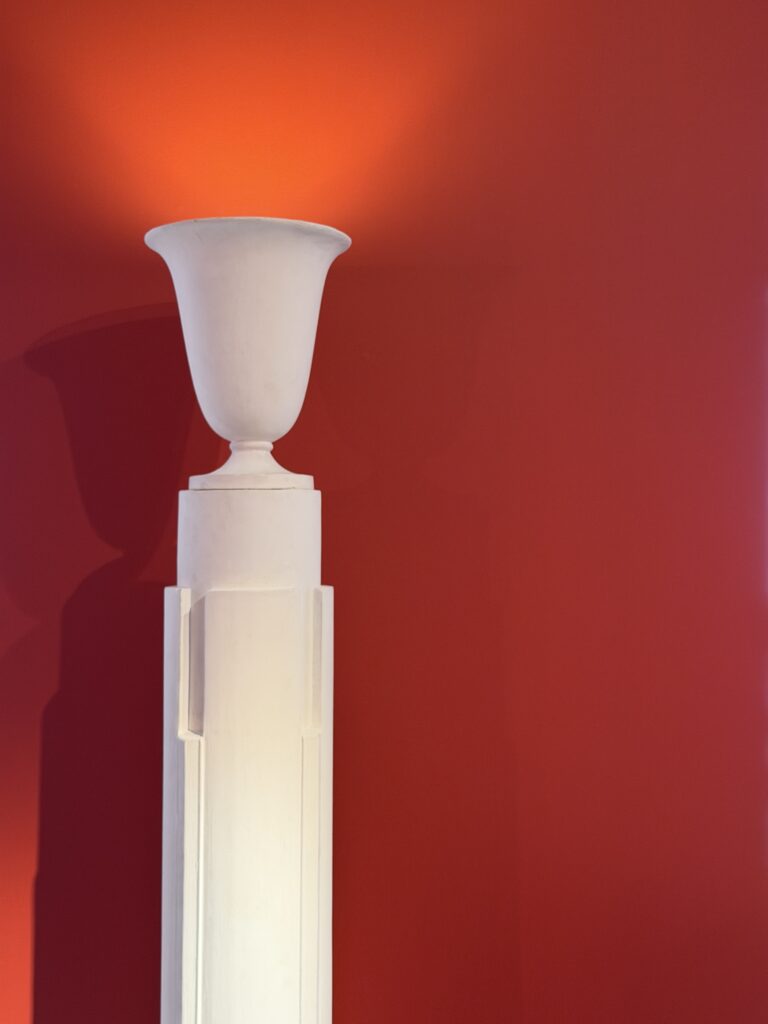
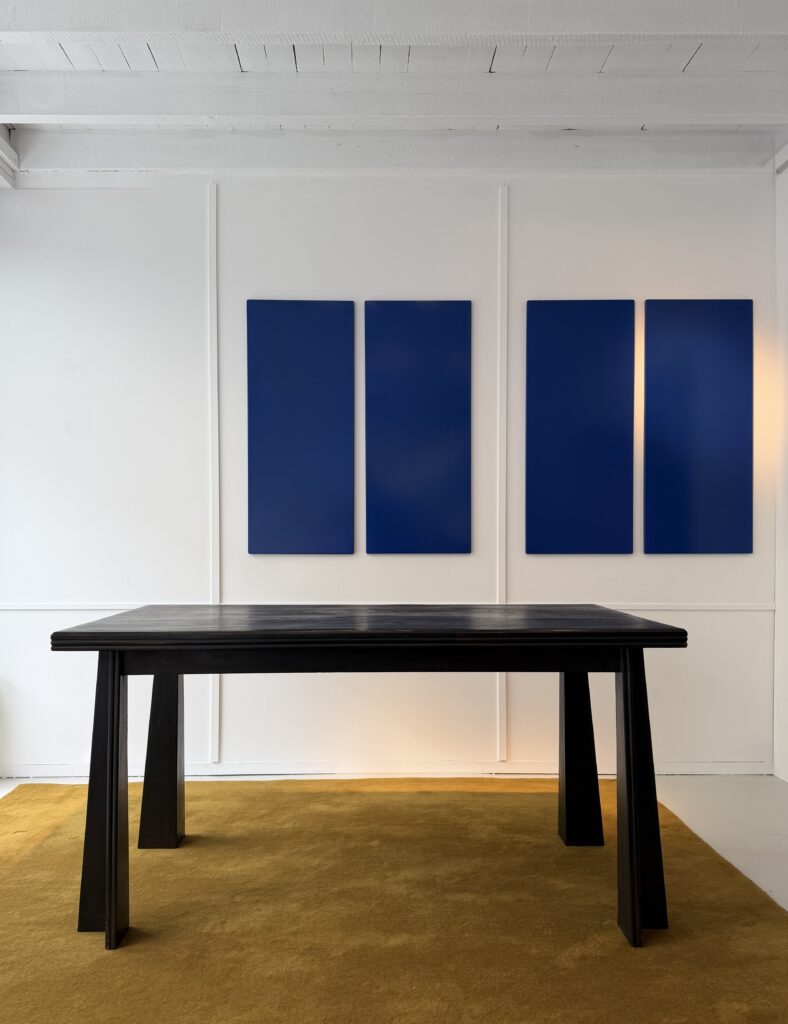
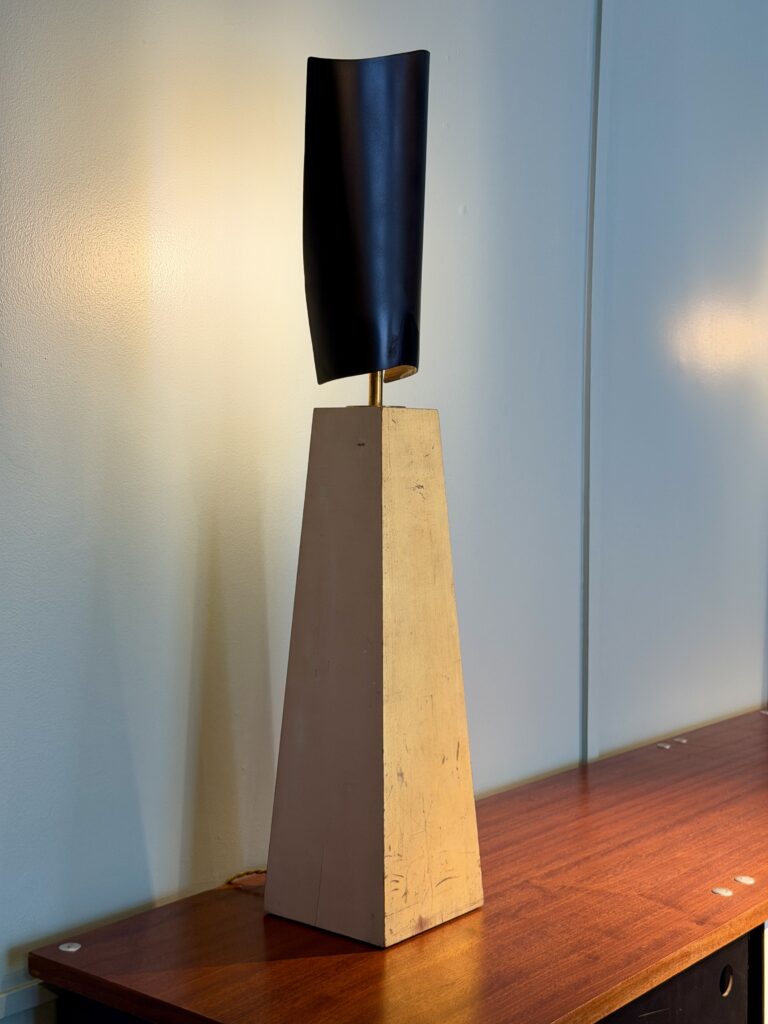
Modernism is characterised by a desire for formal simplicity, structural clarity, and material truth. It rejects superfluous ornament in favour of pure lines, functional volumes, and a rational approach to space. Modern materials — steel, glass, concrete, bent wood — play a central role, celebrated for their intrinsic qualities rather than concealed beneath decorative effects.
Because it is international, the modernist movement draws strength from creators of diverse cultures and sensibilities. Among the major figures are Charlotte Perriand, Isamu Noguchi, Pierre Jeanneret, Sori Yanagi, Alvar Aalto, Gio Ponti, and Pierre Paulin. All share the same ambition: to conceive an art suited to modern life, in which the object is no longer merely decorative but becomes an essential tool of daily living, shaped by technical progress, ergonomics, and humanism.
Today, modernism remains one of the foundational languages of 20th-century design — a timeless vocabulary that continues to inspire architects, designers, and collectors around the world.